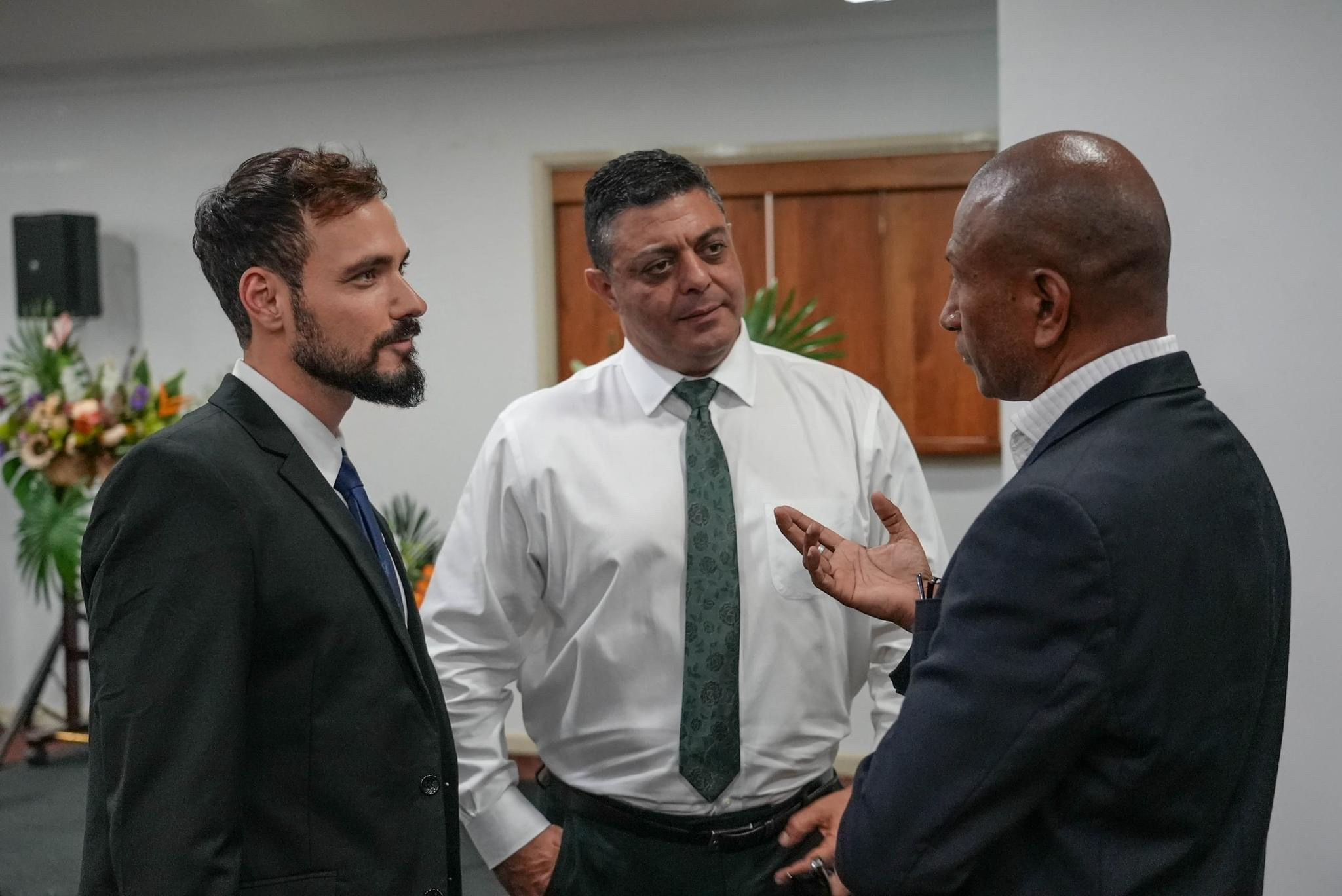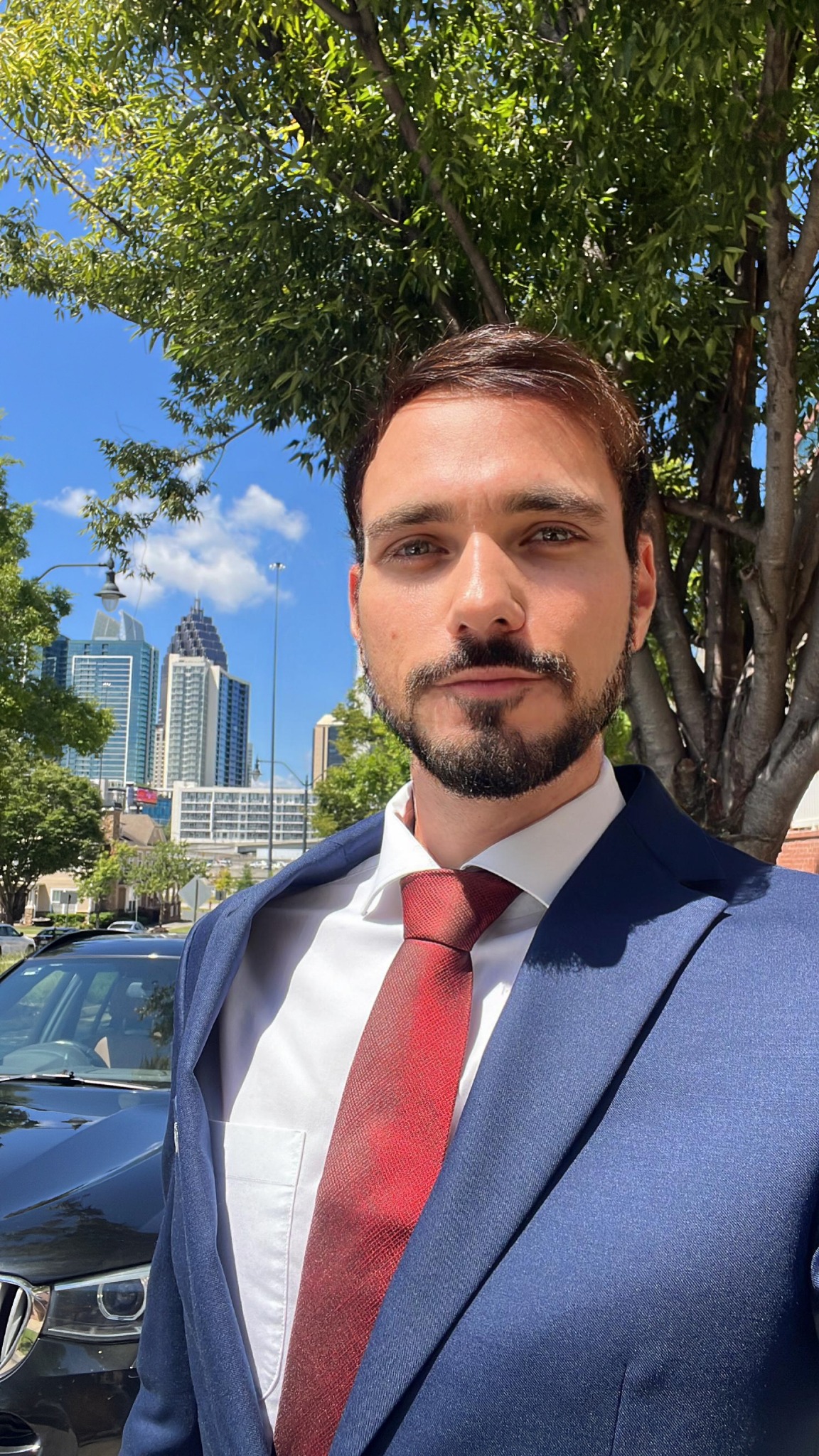
Founder. Researcher. Songwriter.
The Space Between Systems and Stories
Human identity is rarely linear. Mine certainly wasn’t.
For as long as I can remember, I’ve been drawn to things that are difficult to explain. Sometimes that curiosity led me toward technology. Sometimes it led me toward music. Looking back, I no longer see them as separate worlds. They’re different languages for exploring the same questions.
Today I’m the co-founder and CEO of Facio, where we build AI-native operating systems for the insurance industry. My work revolves around organizations that operate under complexity: risk, regulation, uncertainty and decisions that matter. I spend my days thinking about how intelligent systems can help people make better decisions without replacing their judgment.
Before technology became my profession, music was already part of my life.
When I was seven, I recorded the opening song of “Galgal HaMazal”, Israel’s Wheel of Fortune. The clip is still out there. I sang, I performed, and I learned early what it feels like to stand in front of people and try to make them feel something.
Then entrepreneurship took over. I built companies — Hippo, Choco, Facio. I launched products that worked and products that didn’t. I learned industries by taking them apart, the way I once learned songs.
Some thoughts became companies. Others became songs.
The songs never disappeared. Many of them simply waited.
Some stayed in a drawer for more than twenty years before I finally recorded them. Not because I was waiting for the right opportunity. Because I eventually realized they didn’t need one.
One of the greatest gifts entrepreneurship gave me was freedom. Freedom to create without asking whether a song would fit a playlist, satisfy an algorithm or sell. I don’t depend on music for a living. That allows me to be unusually honest with it.
I’m not trying to become a pop star. I’m trying to have meaningful conversations with people.
Sometimes those conversations happen through software. Sometimes through a lecture. Sometimes through a three-minute song.
The same themes keep returning. Identity. Fear. Distance. Hope. The stories we tell ourselves. The invisible systems that shape the way we think, love and choose.
Whether I’m building AI for organizations, teaching graduate students or releasing a song that spent two decades waiting to exist, the motivation rarely changes. I’m trying to take something that feels impossibly complex and give it a form that someone else can understand — or more accurately, feel.
I can spend the morning discussing organizational intelligence with executives and the evening recording a song about loneliness. To me, these aren’t contradictions. They’re the same curiosity wearing different clothes.
None of these worlds defines me on its own. Together, they tell one story — about someone trying to understand people.
Because in the end, every system is built by people. Every company tells a story. Every algorithm reflects human choices.
And every song, no matter how personal, is simply another attempt to make someone feel a little less alone.